Blog / Lesiones personales

¿Qué evidencia se necesita para una demanda por lesión cerebral traumática en Ohio?

Traumatic Brain Injury Lawsuit in Ohio
Los residentes de Ohio que quedan discapacitados permanentemente pueden ser elegibles para solicitar el Ingreso de Seguro Social por Incapacidad (SSDI) o el Ingreso de Seguridad Suplementario (SSI) a través del gobierno federal. Estos programas brindan un beneficio mensual y acceso a un seguro médico para personas que no pueden trabajar debido a una discapacidad física o mental. Desafortunadamente, la Administración del Seguro Social niega un gran porcentaje de solicitudes de SSDI y SSI. Recibir beneficios federales por discapacidad a largo plazo e ingresos suplementarios a menudo requiere luchar a través de múltiples apelaciones. Una persona discapacitada puede incluso tener que ir a la corte para obtener beneficios. Los abogados de discapacidad del Seguro Social con sede en Columbus y Barkan Meizlish DeRose Cox, LLP, han asesorado y representado a los solicitantes de SSDI y SSI de todo Estados Unidos desde 1960. De hecho, fuimos de los primeros en centrarnos en ayudar a los miembros más vulnerables de la sociedad a asumir El programa de discapacidad de la Seguridad Social.

Ejemplos de negligencia en la lesión cerebral traumática

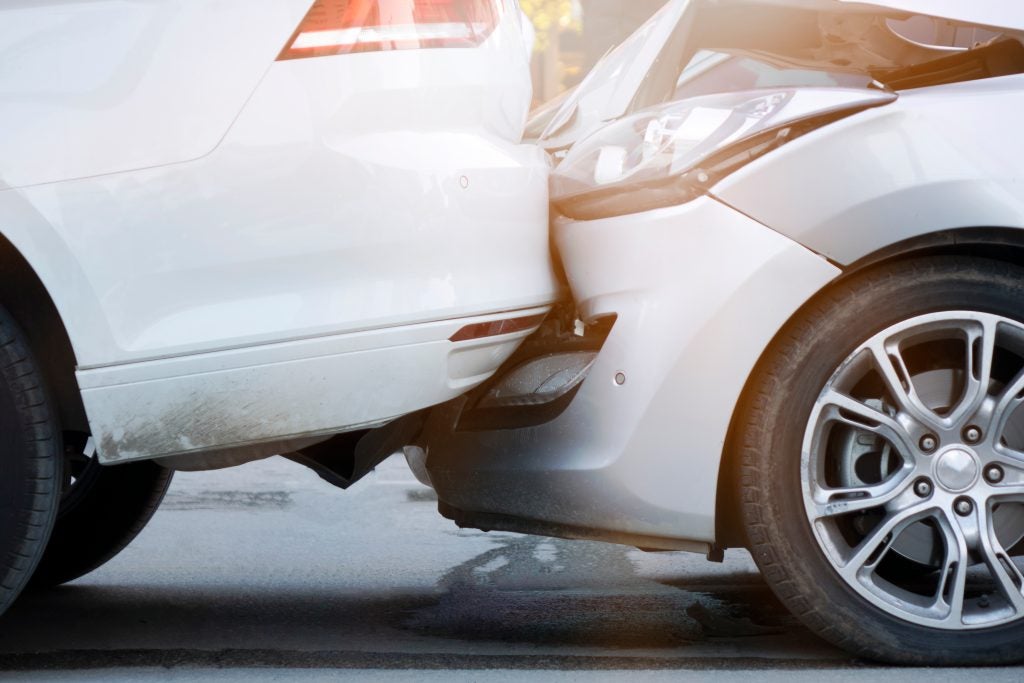
Cada caso requiere su propia evidencia específica, pero es posible proporcionar ejemplos generales. Por ejemplo, un conductor que causa un accidente automovilístico que deja a una persona en otro vehículo que sufre un TBI sería negligente o imprudente. Del mismo modo, un paciente que sufre una pérdida de oxígeno durante una cirugía podría deberse a la negligencia de un anestesiólogo. Es importante destacar que los tribunales de Ohio reconocen el principio legal de negligencia comparativa. Esto significa que, para tener éxito con un reclamo de seguro o una demanda civil, una víctima de TBI solo necesita demostrar que el acusado tiene el 51 por ciento o más de la responsabilidad de infligir una lesión cerebral. La compensación puede reducirse para reflejar la cantidad de responsabilidad compartida por la víctima.

Mostrando que un acto negligente o imprudente infligió una lesión cerebral

La evidencia de que una persona sufrió una lesión cerebral traumática puede ser muy clara. Por ejemplo, casi nadie dudará de que una caída o un choque causado por un camionero que resulte en una fractura de cráneo podría dañar gravemente el cerebro de una persona. Del mismo modo, una persona que se paraliza o necesita ayuda con las actividades de la vida diaria (levantarse y levantarse de la cama, cepillarse los dientes, vestirse) debe experimentar un empuje mínimo cuando afirma que sufre una lesión cerebral traumática. Sin embargo, las lesiones cerradas en la cabeza pueden generar preguntas de los representantes y jurados de las compañías de seguros. En un caso en que puedan surgir dudas legítimas sobre la existencia de una lesión cerebral traumática, la persona que presenta una demanda o demanda de seguro puede confiar en:
  • Diagnósticos de médicos y especialistas médicos como neurólogos;
  • Evaluaciones de terapeutas ocupacionales y expertos vocacionales;
  • Exámenes por psicólogos y psiquiatras;
  • Testimonio de amigos, familiares y compañeros de trabajo.
Statements made by the people who know the TBI victim best will carry a lot of weight. The changes a person undergoes following a TBI can be profound even if they are not immediately apparent.

TBI symptoms can include, but are not limited to:

  • Dolores de cabeza;
  • Hormigueo y entumecimiento en diferentes partes del cuerpo;
  • Cambios de humor que abarcan toda la gama, desde profundas depresiones hasta furias incontrolables;
  • Dificultades para formar y retener nuevos recuerdos;
  • Problemas para entender y comunicar ideas; and
  • Problemas para recordar cuidarse, por ejemplo, comiendo y bañándose.
Los seres queridos y los compañeros cercanos pueden hablar poderosamente sobre estos síntomas de TBI a menudo ocultos que también los afectan.

Asistencia de un abogado de Ohio TBI

Nuestra experiencia en asesorar y representar a las víctimas de TBI en Columbus y en todo el estado de Ohio es que las compañías de seguros tratarán de minimizar o negar acuerdos incluso por las lesiones cerebrales más obvias. Esta desafortunada realidad hace que reunir, organizar y presentar evidencia clara y convincente de los expertos y las personas que viven y trabajan con la víctima de lesión cerebral sea doblemente importante. Si usted o su familia necesitan ayuda con un caso de TBI, informe a nuestros abogados de lesiones cerebrales traumáticas de Columbus cómo podemos ayudarlo. Ofrecemos consultas gratuitas sobre todo tipo de reclamos por lesiones personales, y tomamos citas en línea. También puede hablar con un abogado en Barkan Meizlish DeRose Cox, LLP, llamando al (614) 221-4221.
Posted in:

Recommended Posts

Car accidents attorney

What Should You Do After an Accident in Ohio?

A car accident can change your life in just a few seconds. One moment you are driving to work, running errands, or spending time with family. The next, you may be dealing with injuries, medical bills, vehicle damage, lost income, and questions about what happens next. If you were injured in an accident caused by someone else, you may be wondering: What should I do after a car accident in Ohio? Should I talk to the insurance company? Do I need an Ohio personal injury lawyer? How can I recover compensation for my injuries? Taking the right steps after an accident can help protect your health, your legal rights, and your ability to pursue compensation. At Barkan Meizlish DeRose Cox, LLP, our attorneys help injured Ohio residents understand their options after serious accidents. If you or a loved one has been injured, contact our team today by calling 740-204-2125 or completing our contact form. What To Do After a Car Accident in Ohio The moments after an accident can feel overwhelming. You may be injured, confused, and unsure about what steps to take. Following these important steps can help protect your personal injury claim. 1. Check for Injuries and Call 911 Your first priority after an accident should always be safety. Check yourself and others involved for injuries. If anyone is hurt, call 911 immediately so emergency responders can provide medical care and law enforcement can document the accident. Some injuries may not appear immediately after a crash. Common delayed accident injuries include: Neck and back injuries Whiplash Concussions Soft tissue injuries Internal injuries Even if you think your injuries are minor, seeking medical attention can help protect your health and create important medical documentation. 2. Report the Accident to Police A police report can become important evidence after an Ohio car accident. When speaking with law enforcement: Provide accurate information Explain any injuries you have experienced Avoid guessing about fault Do not admit responsibility at the accident scene The police report may include important details about the crash, including statements from drivers and witnesses, road conditions, and observations from officers. 3. Gather Evidence From the Accident Scene If you are physically able, collect as much information as possible. Evidence that may help your Ohio accident claim includes: Photos of vehicle damage Pictures of injuries Road conditions Traffic signs and signals Weather conditions Contact information from witnesses Insurance information from other drivers The evidence collected immediately after an accident can become critical when determining who was responsible. 4. Get Medical Treatment as Soon as Possible One of the most important things you can do after an accident is seek medical care. Some accident victims delay treatment because they believe their injuries will improve. However, waiting too long can make it more difficult to connect your injuries to the crash. Medical records can help document: Your diagnosis Your treatment plan Medical expenses Physical limitations The impact the accident has had on your daily life Following your doctor's recommendations is also important for your recovery. 5. Notify Your Insurance Company Carefully After an accident, you will likely need to notify your insurance company. Depending on the circumstances and available policies, uninsured/underinsured motorist coverage through your own insurance policy may provide another potential source of recovery. However, you should be cautious when discussing your injuries and the details of the accident with any insurance carrier. Insurance companies may ask questions about: How the accident happened Whether you were injured Your medical treatment Your ability to work Before providing detailed statements or accepting a settlement offer from the at-fault insurance carrier or your own, consider speaking with an Ohio personal injury lawyer. Insurance companies often focus on resolving claims quickly. However, an early settlement may not account for future medical treatment, lost income, or the full impact of your injuries. 6. Contact an Ohio Personal Injury Lawyer Many accident victims ask: "Do I need a lawyer after a car accident in Ohio?" The answer depends on your situation. Speaking with an attorney may be helpful if: You suffered injuries Your medical bills are increasing You missed work because of the accident The insurance company denied your claim The other driver disputes fault Your injuries may affect your future A personal injury lawyer can help investigate the accident, communicate with insurance companies, collect evidence, and explain your legal options. Barkan Meizlish DeRose Cox, LLP represents individuals injured in vehicle accidents and serious injury cases throughout Ohio. Learn more about our vehicle accident attorneys and our serious injury and personal injury services. What Mistakes Should You Avoid After an Ohio Accident? Many accident victims unintentionally damage their claims by making mistakes early in the process. Do Not Admit Fault Avoid statements such as: "I should have been paying more attention." "I'm sorry, this was my fault." Even casual statements can potentially be misunderstood. Do Not Post About Your Accident on Social Media Insurance companies may review social media activity when evaluating claims. Avoid posting: Accident details Photos of injuries Updates about your recovery Do Not Accept a Settlement Without Understanding Your Rights Insurance companies may offer quick settlements shortly after an accident. Before accepting an offer, understand whether it covers: Current medical bills Future treatment Lost wages Pain and suffering Long-term effects of your injuries What Compensation Can You Recover After an Accident in Ohio? If another person caused your accident, you may be entitled to compensation for damages such as: Medical expenses Future medical treatment Lost wages Reduced earning ability Property damage Physical pain Emotional suffering Permanent injuries Every accident is different. The value of your claim depends on the specific facts, including the severity of your injuries and how the accident affected your life. Why Choose Barkan Meizlish DeRose Cox, LLP After an Accident? After an accident, you need a legal team that understands how stressful the process can be. Barkan Meizlish DeRose Cox, LLP helps injured individuals by: Investigating accident claims Reviewing evidence Communicating with insurance companies Explaining legal options Helping clients pursue compensation The firm has represented personal injury clients for decades and focuses on helping injured individuals protect their rights. If you were injured in an Ohio accident, call 740-204-2125 or complete the Barkan Meizlish DeRose Cox, LLP contact form today. Frequently Asked Questions About Accidents in Ohio What should I do immediately after a car accident in Ohio? After a car accident in Ohio, call 911 if needed, seek medical attention, document the accident scene, exchange information with other drivers, and report the crash. You should also consider speaking with a personal injury lawyer before accepting an insurance settlement. How long do I have to file a personal injury claim in Ohio? Ohio law limits the amount of time you have to file certain personal injury claims. The deadline depends on the circumstances of your case, but generally in Ohio the limitations period for an action for bodily injury is two years from the date of the accident/collision. Contacting an attorney early can help protect your rights. Should I talk to the other driver's insurance company after an accident? You may need to communicate with insurance companies after an accident, but you should be careful when discussing your injuries or accepting settlement offers. A lawyer can help you understand your options before making important decisions. What happens if the other driver caused my accident in Ohio? If another driver caused your accident, you may be able to pursue compensation for your injuries, medical expenses, lost wages, and other damages. A personal injury attorney can help determine your available options. How much is my Ohio car accident claim worth? The value of a car accident claim depends on factors such as injury severity, medical expenses, lost income, insurance coverage, and how the accident impacts your life. Do I need an attorney after a minor car accident in Ohio? Not every minor accident requires legal representation. However, if you have injuries, medical bills, disputes about fault, or concerns about an insurance settlement, speaking with an attorney can help you understand your rights. How much does a personal injury lawyer near me cost in Ohio? Many personal injury attorneys, including Barkan Meizlish DeRose Cox, LLP, handle cases on a contingency fee basis, meaning clients generally do not pay attorney fees unless compensation is recovered. Contact Barkan Meizlish DeRose Cox, LLP After an Ohio Accident If you were injured in a car crash or another type of accident at no fault of your own, you do not have to navigate the insurance process alone. The attorneys at Barkan Meizlish DeRose Cox, LLP can help you understand your rights and determine the next steps. Call 740-204-2125 today or visit our Contact Us page to schedule a consultation. Disclaimer: This article is provided for general informational purposes only and does not constitute legal advice and should not be construed as legal advice. Every case is different, and the information provided may not apply to your particular facts or circumstances. If you have questions about a potential legal matter, contact Barkan Meizlish DeRose Cox, LLP for an individualized review of your situation.

Worker Comp' attorney

Can Your Injury Lawyer Help You Even if Your Workers’ Comp Claim Was Denied?

A workers' compensation denial can feel devastating, but an injury lawyer can help. If this has happened to you in Columbus, OH, give us a call at Barkan Meizlish DeRose Cox, LLP here in Columbus right away. The Basis for Workers' Compensation Denials When the Bureau of Workers' Compensation turns down a claim, they are usually arguing either that the injury doesn't seem work-related or that your medical records don't clearly connect it to your job. How does this happen in legitimate injury cases? Well, there's a couple of common issues: Paperwork can arrive late or be incomplete Employers sometimes dispute the facts or timing The Bureau may simply make a mistake Starting Your Columbus, OH Appeal You can appeal the denial with the Ohio Industrial Commission, and your lawyer will need to file this appeal within 14 calendar days after receiving the BWC denial. Once that's been done, the case goes to a hearing before a district hearing officer who reviews all the evidence and testimony before issuing an order. Either side may appeal to a staff hearing officer and then to the full Industrial Commission, and this path can continue on up to the court of common pleas in your county. At every level of new appeal, that 14-day appeal clock gets reset. Working with an Injury Lawyer An injury lawyer who handles these cases regularly knows how to build a record. To get your claim accepted, your lawyer may seek more complete medical files and will often arrange for a physician to write a narrative report that explains causation more clearly. Your attorney may also get statements from your coworkers or supervisors, along with accident reports, time cards, and safety logs, to add important context to your medical evidence. Preparing all this takes sustained attention, experience, and excellent communication skills. It's hard for most people to manage their pain and recovery, plus their finances, while also dealing with all this preparation. A lawyer can take this off your plate.  Along the way, you'll also likely have to attend at least one hearing, and your lawyer can speak for you and formally present your evidence at any hearing. What if a third party is actually at fault? Ohio law makes workers' compensation the exclusive remedy (you cannot sue your boss or coworkers), but that protection does not block you from bringing a claim against third parties. A personal injury lawsuit against them can get you recovery for pain and suffering plus fuller economic losses that the workers' compensation system does not cover. Preparing to Talk to Your Attorney When you set up a consultation, bring your denial order and any earlier Bureau letters, complete medical records with test results and bills, names and contacts for witnesses, a simple log of your missed work dates, and your recent pay stubs or tax records. That way, your lawyer can assess the strength of your appeal quickly and identify possible third-party claims. If your claim has been denied, reach out to a lawyer who knows the Ohio process. Contact us at Barkan Meizlish DeRose Cox, LLP in Columbus or in Pittsburgh, PA for a free consultation.

Car accidents attorney

How Much Compensation Can You Get for a Car Accident?

After a car accident here in Columbus, OH, you likely have medical bills and other expenses piling up, and it's natural to wonder how much you might actually be able to get from a car accident personal injury claim. The answer depends on your losses, degree of fault, the insurance available to pay them, and the skill of your attorney. Car Accident Personal Injury Compensation Factors in Columbus, OH What you can collect is the proven value of what you've lost, reduced by your share of blame, and limited by the insurance policy limit. Let's consider these factors. What You've Lost You can recover economic losses and noneconomic losses. Economic Losses Economic loss covers money you spent or will spend because of the accident, like your hospital bills, household help you've had to hire, and wages or benefits you lost while you could not work. There's no ceiling on that category: if you've got the proof, you should be paid for all of it. Property damage also counts here. Noneconomic Losses Noneconomic losses are to recompense you for the pain and mental anguish of your accident, and state law caps those awards at the greater of $250,000 or three times your economic loss, with a hard ceiling of $350,000 for each plaintiff and $500,000 per incident. The cap doesn't apply if your injuries meet the statute's definition of a catastrophic injury, however, which would include: Permanent and substantial physical deformity Loss of use of a limb Loss of a bodily organ system Permanent functional injury that keeps you from caring for yourself and performing life-sustaining tasks Your Fault Ohio uses modified comparative negligence, which means you can bring a claim if your share of blame for the accident isn't greater than the combined fault of those from whom you're seeking payment. Your award is then cut by your percentage of fault. If a jury finds you 20% responsible for a $100,000 loss, for example, you would receive $80,000. Insurance Policy Limit This is often a bigger factor than any caps the state puts on these claims. Ohio requires drivers to carry bodily-injury liability of $25,000 per person and $50,000 per crash, plus $25,000 for property damage. A week spent in intensive care can consume the per-person limit easily. When the at-fault driver's policy is exhausted, you would look next to your own uninsured or underinsured motorist coverage if you bought it. In some cases, you may be able to bring a claim against the other driver, but it will only be worth doing if they have something you can take. Ohio protects a person's primary residence and its equity (unless the driver didn't have insurance at all), one car, and some of the driver's personal cash, household goods, jewelry, tools and professional books, and some other items. Your lawyer can advise you when it's worth bringing a suit against the driver directly. If you've been in an accident, call us at Barkan Meizlish DeRose Cox, LLP for a free consultation and advice about what your claim can potentially recover.