
Can an Employer Be Sued for Emotional Distress in Ohio?
Work is stressful enough as it is without your superiors intentionally causing you emotional distress through targeted actions. If your employer or managers have taken deliberate action that resulted in you experiencing emotional distress, then you can file an emotional distress lawsuit. However, it is important to note that in the state of Ohio, the classification of a case like this is extremely specific and, as a result, difficult to win.
If you have sufficient proof that some action by the company’s managers triggered profound shame, fear, embarrassment, depression, or post-traumatic stress, then you may very well be entitled to compensation. Contact the Columbus employee rights attorneys at Barkan Meizlish today to find out if you have a case for an emotional distress lawsuit. The initial consultation is free, so you have nothing to lose.
Grounds for Bringing an Emotional Distress Lawsuit Against an Employer
It is important to note that state laws in Ohio make it nearly impossible for employees to sue their employers after work-related accidents induce emotional distress. That is to say, personal injury lawsuits, which often include emotional distress claims, almost never move forward against employers when the plaintiff is an employee unless the emotional distress is caused by another clearly violated law.
Most claims related to an on-the-job injury or illness must be handled through the workers’ compensation program. A workers’ comp claim can include requests for the coverage of treatment for mental and emotional problems that develop as a result of an injury or illness, but the program will not approve a claim for emotional distress specifically. If you have reason to believe you were targeted by an employer or manager and it led to you experiencing emotional distress, then you need to hire an Ohio emotional distress attorney to take your case.
The types of lawsuits against employers that can include claims for emotional distress usually relate to violations of employment laws that prohibit discrimination, harassment, and illegal forms of retaliation. For instance, a worker who brings a wrongful termination lawsuit can include a claim for the emotional distress they suffered while unemployed and struggling financially.
Stress itself cannot support either a workers’ comp claim or a lawsuit against an employer. Lawmakers and courts expect all jobs to be stressful and therefore rule out emotional distress claims in and of themselves without an underlying cause that is in violation of another law. An employer can only be sued when its managers deliberately make a position more stressful than it needs to be in order to harm an employee or to compel the employee to quit.
Can I Sue for Emotional Distress?
To succeed in convincing a judge and jury that you suffered emotional distress because of something your employer did, you must present convincing evidence of all the following facts:
- Your employer acted recklessly or with intent,
- The action was illegal or extreme and outrageous,
- The action directly caused your emotional distress, and
- Your emotional distress was severe.
Proving intent in an emotional distress case can be challenging, but documenting complaints about distressing treatment such as harassment or discrimination will significantly help your case when you decide to take action. Partnering with an experienced and understanding employee rights attorney like those at Barkan Meizlish will help you cite which laws were violated and make a case for actions well beyond ordinary teasing or everyday stressors.
You can use medical records, insurance claims, pharmacy bills, and therapists’ notes to demonstrate the connection between the action and your emotional distress. In addition, this information can also be used in determining the severity of the emotional distress caused by your employer.
Finally, to secure a jury award, you must be able to show that your employer knew about the issue that was causing emotional distress and either caused the issue or did nothing to resolve it. Internal records of meetings and emails can be essential forms of proof in this regard and should always be documented for use in your emotional distress lawsuit.
Columbus Emotional Distress Attorney
Here at Barkan Meizlish DeRose Cox, LLP, our attorneys specialize in employee rights laws which means we are always on your side. We provide the assistance you deserve and can determine whether or not you have a valid emotional distress case upon your initial consultation, which is always free of charge. Contact the Columbus employee rights attorneys at Barkan Meizlish today to determine if you have a case and to get the compensation you deserve.
Stop the medical errors, and you stop the lawsuits
With regard to the Feb. 20 article “Doctors go on the defensive with tests,” I offer the following comments that hopefully reflect the other side of the debate.
The article described a practice among some doctors who allege they order unnecessary tests as a hedge against potential medical-malpractice claims.
There is a crisis in medicine: medical errors, and errors ought to be the primary concern of the medical community, not the declining number of lawsuits against hospitals and doctors when those preventable errors occur.
Rather than asking how we can further reduce the number of lawsuits and limit accountability, which was done legislatively in the early 2000s (the number of lawsuits in Ohio has declined every year since), we should be considering how we can improve the quality of medical care in this state and reduce the staggeringly high rate of medical errors.
According to the Institute of Medicine, 98,000 people die annually because of medical errors. That’s the equivalent of two 737 airplanes crashing every day for a whole year.
Health Affairs magazine reported last year that one in three patients in a hospital is the victim of medical errors. Why aren’t we talking about these horrifying statistics and the ways to solve the problem?
Wouldn’t Ohioans be better served by working to find solutions to this rampant problem rather than trying to reduce overall accountability when those errors occur?
We also question the veracity of the self-reports where doctors claim to order unnecessary tests. The law does not require doctors to order any tests.
Instead, a doctor need only act reasonably in the care and treatment of the patient, and if it is reasonable to not order certain tests, the doctor cannot be held liable.
Second, many tests, particularly invasive tests, come with inherent risks. It is inconceivable that a caring doctor would intentionally subject a patient to such a test simply for selfish reasons.
Third, in Ohio, a doctor cannot be sued at all unless another physician in the same specialty has executed an affidavit under oath stating the treating doctor acted unreasonably. So, it is doctors who determine whether a treating doctor can be sued, not the patient or the patient’s lawyer.
Such a physician surely could determine whether a test was necessary or not. The law already has been changed many times to discourage patients from filing claims.
Additionally, if we can raise Ohio’s standard for the quality of care, the few remaining lawsuits due to medical malpractice will naturally fall. If, however, we simply reduce the ability of average citizens to seek justice through our courts, we are turning a blind eye to the real problem.
BOB DeROSE
Updates on Temperature Checks and the FLSA
Updates on Temperature Checks and the FLSA
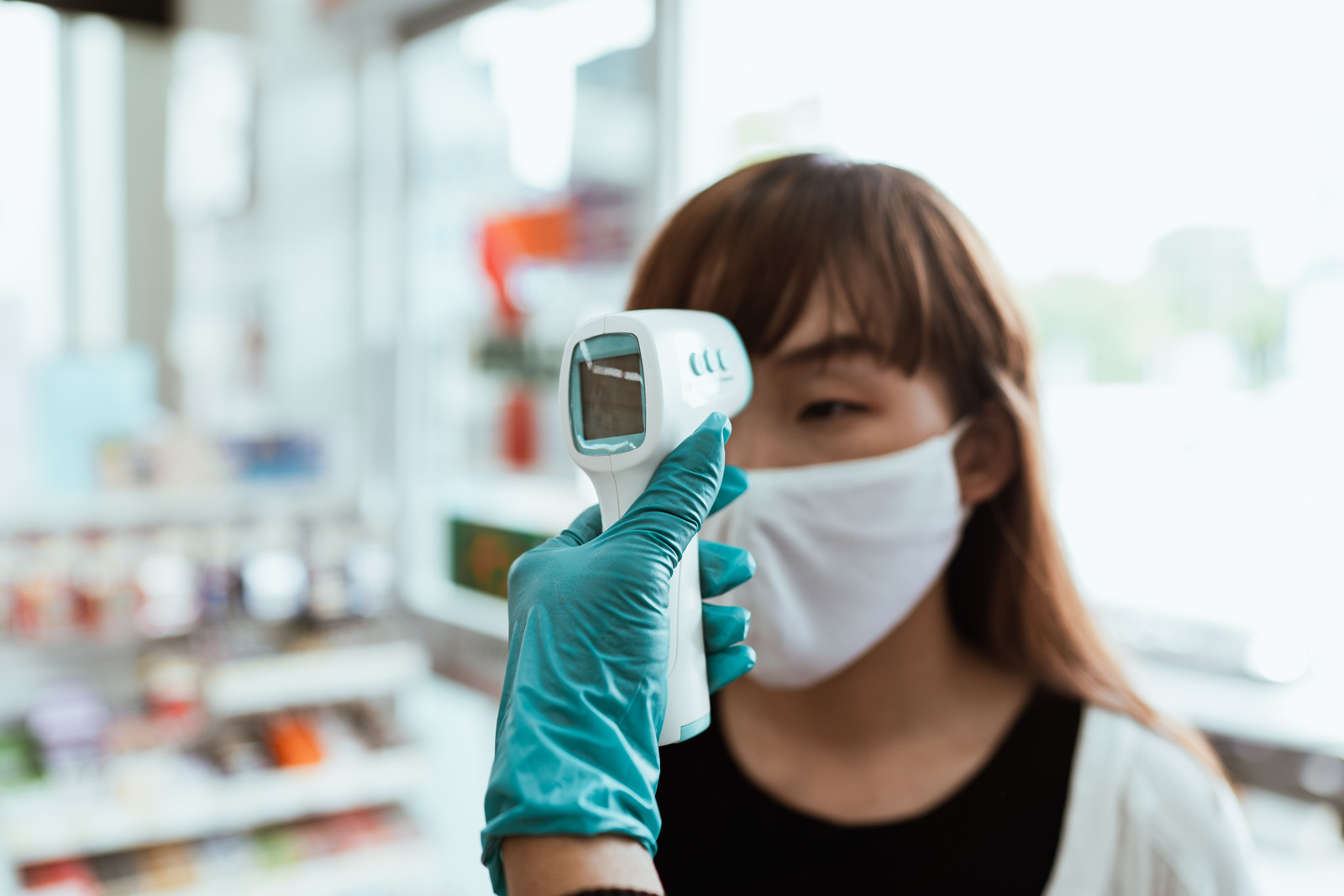
In mid-2020, the team at Barkan Meizlish DeRose Cox, LLP reported on the new workplace normal. Namely, we analyzed how mandated temperature checks could lead employers into hot water. Between workplace ethics and potential FLSA violations, the institution of regular temperature checks and other COVID-19 conscious practices led to these concerns. Now, in early 2021, employees across the United States are finding themselves the victims of such FLSA violations.
In a recent California federal court filing, a tennis company came under fire when employees reported underpayment of wages. This underpayment seems to be a direct result of newly instituted COVID-19 safety measures, such as temperature checks. The company expected employees to undergo such measures prior to clocking in. The FLSA protects workers from their employers expecting work be done off the clock, including meetings, pre-shift duties, and post-shift duties. Temperature checks fall under this umbrella, as both statewide mandates and employer-instituted regulations require can require employees undergo this action.
This is not the first collective and class action suit to be filed in relation to unpaid wages and COVID-19 precautions. Apple, Walmart, and Converse have all been hit with similar filings. With large companies being hit left and right with actions regarding FLSA violations and COVID-19 safety checks, small company should take note.
Some Information on the FSLA:
Employees are protected by the Fair Labor Standards Act, also known as the FLSA. The FLSA ensures that employers are held accountable under federal law for proper payment of employees. In the case of mandated temperature checks, employees should anticipate payment for undergoing such an event before the technical start of their shift. As a required workplace action, employees should be compensated for their time.
If you are concerned that your workplace has not been properly paying you, an attorney may be able to help. Contact attorneys with Barkan Meizlish DeRose Cox, LLP today to set up a free consultation.
Seasonal Businesses and the FLSA

Seasonal Businesses and the FLSA
In response to the effect of COVID-19 on seasonal businesses, the U.S. Department of Labor will issue a temporary reprieve to these seasonal businesses against the Federal Fair Labor Standards Act (FLSA) minimum wage and overtime violations. Many of these businesses were forced to adapt their day-to-day operations because of the pandemic. Resultingly, many seasonal businesses were made ineligible for the seasonal exemption due to these necessary adaptations.
Changes due to the Pandemic
Businesses that have had to change their operations due to the pandemic are, according to a Law360 article, “those business that are only open for seven months a year or less or whose income fluctuates dramatically at different points in the year.” Such seasonal businesses include amusement parks, golf courses, stadiums, and camps, whose ability to remain open and offer services is highly dependent on the weather and/or (especially for camps) the summer term of the school year. Again, these businesses will benefit from non-enforcement of FLSA minimum wage and overtime violations that may even continue into 2021 should the pandemic, and its dampening economic effect, persist.
Companies that have had to adopt alternatives to their usual operations will be those benefited by the non-enforcement of such FLSA claims for the time being. However, with the benefit of this non-enforcement, a few factors must be met for it to apply to a seasonal business.
Factors to Consider
In order to enjoy the advantages the DOL is offering, businesses must have either been an exempt seasonal operation before 2020 or one that had already implemented plans to become an exempt seasonal operation before the start of that year. Additionally, the businesses must put in place a plan to resume regular business in 2021 while maintaining their pre-pandemic wages.
All of these changes have been implemented by the DOL in an effort to mitigate the harsh impact that the pandemic has had on businesses, mainly seasonal ones. With the implementation of the non-enforcement of such claims for the time being, the DOL hopes to ease the burden that such employers have had to face until the levels of such operations can adjust to their normal, pre-pandemic positions.
– Jacob Mikalov for Barkan Meizlish DeRose Cox, LLP

Work History and Your Social Security Disability Claim:
The circumstances that lead someone to apply for Social Security Disability Insurance (SSDI) vary. The strenuous application process includes a series of difficult questions. These questions include a request for a detailed work history. This may seem counter-intuitive, as individual’s applying for SSDI can no longer work. However, understanding the application process and questions can help you complete your application as effectively as possible.
Need to Knows:
SSDI applications require your work history for several reasons. Namely, work history helps the Social Security Administration (SSA) determine:
- Eligibility for SSDI based on your past income taxes and
- That you can no longer perform the tasks required at your previous jobs or other “substantial gainful activity.”
These two factors are key to determining whether you will receive SSDI benefits. SSDI is a tax-funded program. Evaluating an individual’s past capacity to pay into the system, or that a family member has paid into the system, is part of the application process. Work history helps verify payment into the SSDI system, as this tax is taken out of paychecks. Your actual ability to work or participate in “substantial gainful activity” is equally important to the SSA.
When the SSA evaluates your work history and your application, they are looking to see if your disability or injury affects your ability to earn income. For instance, if you worked in one field for your entire career before your disability began impairing your work, it may be difficult to switch industries. The Administration may ask for more specific information on your previous work experience, including information on daily tasks and expectations.
Now What?
The SSDI/SSI application process is difficult. We want to help. Our SSDI attorney may be able to help with the application process, as well as with the appeals process. Contact our office today for your free consultation or send us an email at info@barkanmeizlish.com.
Uber Eats and the Pandemic Economy

Uber Eats and the Pandemic Economy
Armin Samii, a computer programmer who has been working part-time for Uber Eats, claims to have found evidence that the food delivery service has been routinely underpaying its drivers. Uber Eats’ policy is to pay its delivery works on a per-mile basis. This is the standard within the food delivery industry. However, according to a Google Chrome extension, “UberCheats,” built by Samii, Uber has allegedly been regularly shorting its delivery workers on 25-30% of trips, according to Salon.
Samii created this extension after an experience he had with Uber in which the food delivery company admitted to him that, because of a bug on Uber Eats’ end, he was not properly paid for his full delivery. Samii collected data from around 160 Uber Eats drivers through his extension. Through this, he estimates that Uber has underpaid workers on approximately 21% of trips, per Business Insider. To this end, Samii’s data shows that Uber Eats’ delivery drivers are being underpaid by an average of 1.3 miles on those approximately 21% of trips. This finding of routine underpayment by Uber, as well as Uber’s own admission that a bug does, in fact, exist within the delivery tracking method, is potentially disconcerting to Uber eats’ delivery drivers across the country.
What Changed?
Amid a global pandemic, the need for has become apparent to many. The potential that such automation is shorting employee wages on a regular basis is worrisome and harmful as our economy continues to grow and change. In recent months, more people have begun to rely on food delivery services to avoid exposure to illness, increasing the demand for delivery drivers in the food service industry. Competition has increase as the food delivery industry has become more crowded and ever more necessary. No worker, including the gig workers we have become reliant on during the pandemic, should fear that their employer is intentionally paying them less than they are owed. The increased competition and demand for delivery service is an additional stressor, and improper payment for services is detrimental to the livelihood of this workforce.
-Jacob Mikalov for Barkan Meizlish DeRose Cox, LLP
FMLA Form Updates 2020: Employee Need to Know

2020 FMLA Form Updates
The U.S. Department of Labor (“DOL”) recently issued several updated forms for implementing the Family and Medical Leave Act. These forms were issued with the stated purpose of assisting employees, employers and other stakeholders with completing implementation of the FMLA in the workplace. The FMLA entitles eligible employees up to twelve (12) weeks of unpaid leave for various specified health or care of family reasons. The ultimate goal of this update is to enhance user and employer ease, comprehension, and completion of the forms.
What Are The Forms?
The updated forms provide additional questions for the user to answer and provide additional information, while retaining the substance of the forms. An overview of the updates to the forms follows:
- Incorporation of the Notice of Eligibility and the Notice of Employees Rights and Responsibilities under the FMLA into one form, aiding employees’ knowledge of their eligibility status and privileges and duties during FMLA leave.
- The FMLA Designation Notice, an important form that allows employees to know whether their leave will fall under the reach of an FMLA designated leave.
- Changes to the Certification of Health Care Provider for Family Member’s Serious Health Condition form. This form now requires a more detailed description from the health care provider regarding the employee’s limits as a result of a sick family member, making it less likely employees will have to provide supplements to the information provided. Changes to the Certification of Health Care Provider for Employee’s Serious Health Condition form. This form requires a more detailed description from the health care provider regarding the employee’s work-limitations. This makes it easier for employers to understand the limitations of the employee where there are limitations, and less likely employees will have to provide supplemental information.
The Department of Labor has deemed these forms to be compliant with the FMLA. However, employees should be aware that the use of these model forms is optional, and employers are free to use their own forms, so long as they too are in compliance with the FMLA. These forms are located on Department of Labor’s website.
Have questions about whether your employer is properly implementing the FMLA? Give us a call for a free consultation.
– Jacob Mikalov

The State of Stripping: Employee Misclassification at the Club
Employee misclassification is one of the most commonplace ways employers participate in wage theft. In many industries, this means classifying workers as independent contractors despite holding them to employee-specific standards. The strip club industry is rampant with this type of misclassification, with a recent statistic showing that at least one dancer files against their employer for misclassification every four days. Dancers have been fighting and organizing for better working conditions for decades. The COVID-19 pandemic has introduced another layer of hazard to the field. With the misclassification of many dancers as independent contractors came the inability to receive unemployment at the beginning of the pandemic. Many IC’s were left without income before the CARES Act. The Act gave each state the ability to expand benefits to independent contractors. However, the Act does not undo the decades of work and struggle many in the industry have endured.
Return to Work, Risk, and Reward
When reopening began, strip clubs were on standby until they were able to introduce additional safety protocols for patrons and dancers. Clubs began to impose new rules regarding contact with customers, socially distanced dances, and masks. These rules, while intended to protect both customers and dancers, brought additional hardship into the workplace. Many dancers already struggle with mistreatment from management and patrons alike prior to the pandemic. Multiple lawsuits have been brought against clubs regarding treatment of African-American dancers and sexual abuse, while a plethora of stripper-run blogs report on individual dancer mistreatment. Many dancers have reported that clubs are reporting higher turnout rates than usual. This increase in contact (even with social-distancing measures) increases potential exposure to the virus, on top of other workplace risks dancers are already exposed to.
At the beginning of the pandemic, a video went viral of dancer Genea Sky falling from a pole while working at XTC Cabaret. Genea did not have any accident insurance provided to her as an independent contractor at the club. She did not have insurance or other legal protections. Crowd-sourcing her medical expenses helped Genea during crisis, as has been many American’s experiences during the COVID-19 pandemic. Her status as an independent contractor, rather than an employee, at the time of her fall prevented her from receiving benefits and protections from the club.
The additional risk of contracting COVID-19 into the club setting without a promise of medical care, FMLA, or other resources many employees have access to shows a dangerous bind that many dancers face. The historic lack of protections for gig workers and independent contractors have sparked unionization efforts for decades, and the strip club industry has remained at the forefront. The ongoing effort to unionize strip clubs throughout America has grown increasingly vital during the pandemic, and the forward momentum for the movement does not seem to be slowing down.
Dancer Unionization Efforts: Then and Now
In early August of 2020, a ruling from the National Labor Relations Board determined that a Columbus, Ohio dancer was, in fact, a statutory employee under Ohio Law. The dancer, Brandi Campbell, was involved in many lawful union organizing efforts at a variety of strip clubs throughout years. Her termination shortly after her hiring at Centerfold was for an apparent no-touching violation. This ruling came in a crucial moment in the strip club labor organizing movement. As previously mentioned, when states like Ohio began rolling out phase-based reopening plans, many dancers found themselves in an increasingly difficult position: return to work with few protections, or stay home and lose their Pandemic Unemployment Assistance (PUA) benefits? Along with many other service industry workers, many dancers made the difficult decision to put their well-being on the line and return to work. These factors, combined with the years of hard work and labor organizing done by strippers across the nation, have brought opportunity for change and protection in the industry.
The efforts put for to organize exotic dancers and adult entertainers are pivotal in combating employee misclassification. All workers deserve fair pay and protection, and dancers are no exception. In times like these, worker solidarity is crucial to protecting the American people across industries.
Changes to House Bill 81 in September 2020

House Bill 81 Changes Announced in Ohio
On June 16, 2020, Governor Mike DeWine signed into effect a new law. The ripple effects of the passage of this law will affect Ohioans seeking to claim Workers’ Compensation. The changes set out by House Bill 81 will go into effect on September 14, 2020.
The bills set out number of changes. Firstly, the bill codifies the voluntary abandonment doctrine. Under the voluntary abandonment doctrine, an employee who abandons employment for reasons unrelated to the work injury is not entitled to temporary total disability compensation or wage loss compensation. Additionally, House Bill 81 states that employers may no longer deny or withdraw consent to a workers’ compensation settlement application if the claim is outside of the period in which the employer’s Bureau of Worker’s Compensation rates are affected by the application, and if the employee is no longer employed by the employer.
Changes to the Standard
The standard for employees filing applications for additional awards due to a safety violation has changed as well. Applications for awards due to safety requirement violations must now be filed within one year after the date of the injury or disability. Previously, that standard was two years. Another specific section of the bill states that employees working in detention facilities, including corrections officers, are now covered by their employers for post-exposure medical diagnostic services. These are services that become necessary as a result of contact with blood or other bodily fluid, drugs or other chemical substance, and/or responding to an inherently dangerous situation while working. The bill also states that if an employee dies as a result of a workplace injury or occupational disease, the employee’s estate is entitled to $7,500.00 in funeral expenses. This is an increase from the previously allowed $5,000.00.
It’s noteworthy that these changes came on amidst the ongoing COVID-19 pandemic and likely are influenced by these events. The new coverage of employees working in detention facilities may be a response to the pandemic. Employers are now required to cover medical diagnostic services for illnesses that result for exposure to bodily fluid. COVID-19 is transmitted through bodily fluid- airborne droplet transmission- and the Ohio incarceration system has been surging with cases.
What Can I Do?
If you have questions, attorneys with Barkan Meizlish DeRose Cox, LLP, are available to help with Ohio workers’ compensation and personal injury cases in Columbus and across the state. You can schedule a free consultation online of speak with a lawyer directly by calling (614) 221-4221.
Ask the Attorney: Safe and Socially Distant!
Last night, associate attorney Sam Marcellino participated in WSYX ABC 6’s “Ask the Attorney.” Socially distant, safe, and ready to help Ohioans!
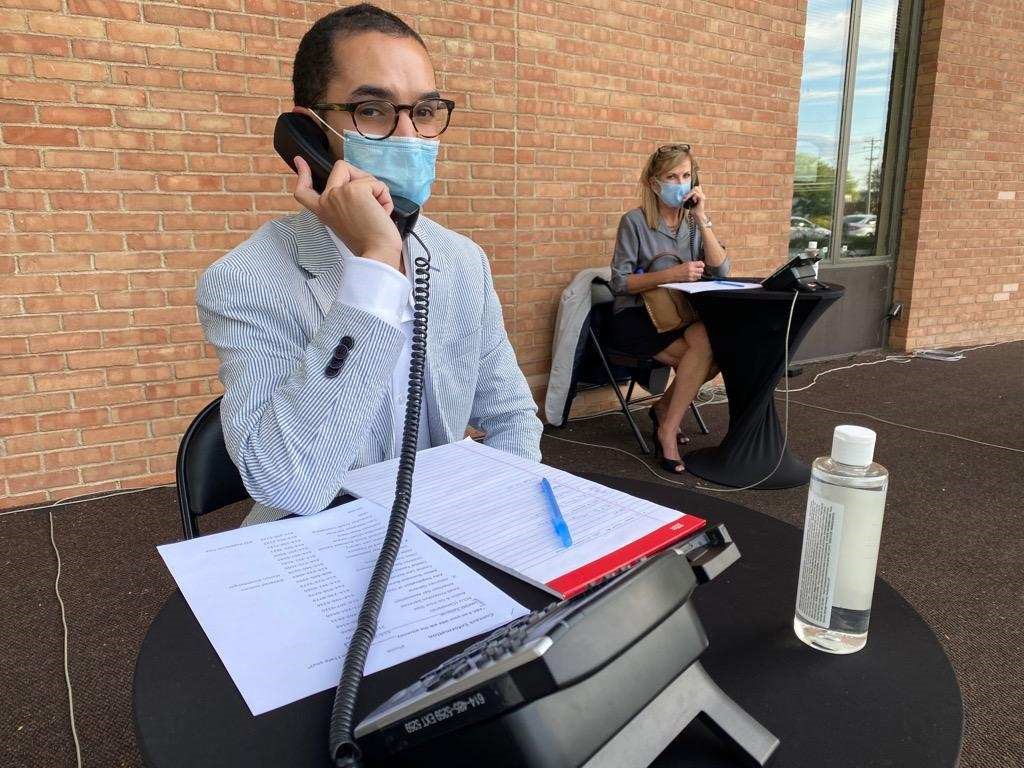
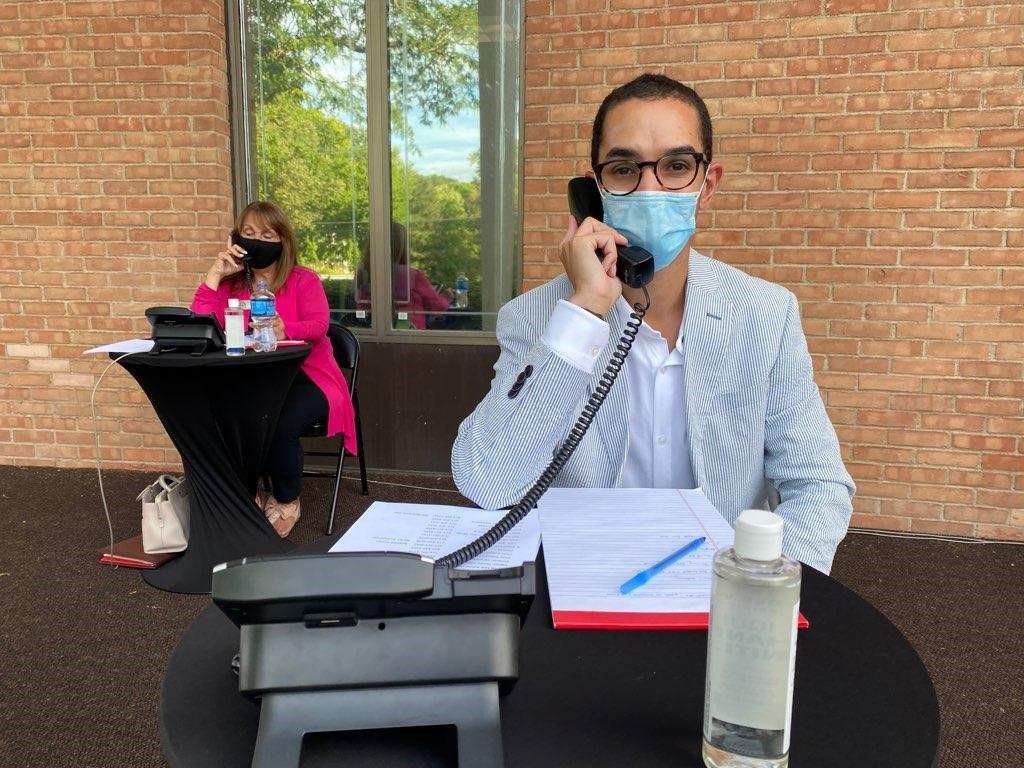

Ask the Attorney occurs on Wednesday evenings between 5:00 p.m. and 6:30 p.m. You can call in at 614-481-6848
Connect with us


- June 2026
- May 2026
- April 2026
- March 2026
- February 2026
- January 2026
- December 2025
- November 2025
- October 2025
- September 2025
- August 2025
- June 2025
- September 2023
- March 2023
- January 2023
- November 2022
- October 2022
- July 2022
- May 2022
- April 2022
- February 2022
- January 2022
- July 2021
- March 2021
- October 2020
- September 2020
- August 2020
- July 2020
- June 2020
- May 2020
- April 2020
- March 2020
- February 2020
- January 2020
- December 2019
- November 2019
- October 2019
- July 2019
- May 2019
- April 2019
- January 2019
- November 2018
- March 2018
- February 2018
- December 2017
- November 2017
- August 2017
- July 2017
- June 2017
- December 2015
- November 2015
- October 2015
- September 2015
- August 2015
- July 2015
- June 2015
- May 2015
Archives

Columbus Office
- 740-204-2125
-
4200 Regent St Ste 210
Columbus, OH 43219
Pittsburgh Office
- 412-330-1821
-
428 Boulevard of the Allies
1st Floor
Pittsburgh, PA 15219
Hours
Mon-Fri 8:30am-5:00pm
Sat-Sun Closed
Call Us 24 Hours a Day